.
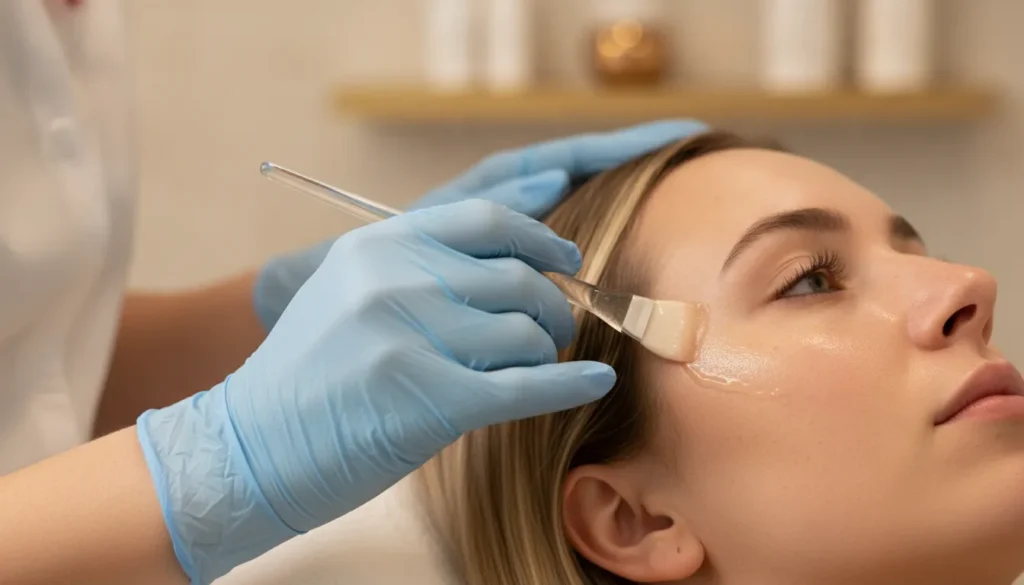
Choosing a peel is not simply a question of which treatment sounds newer. Chemical peels create controlled exfoliation and resurfacing, but their strength, penetration, recovery, and risks can vary. The Palm Medspa + Wellness lists BioRePeel as an advanced chemical peel with minimal downtime. Traditional peels may involve a broader range of treatment depths and recovery expectations.
For Orlando patients comparing options, bioreepeel treatment orlando may offer an advanced peel approach with minimal downtime. But the right choice depends on your skin concerns, sensitivity, medical history, medications, and clinician assessment.
The goal is not to label one option best for everyone. It is to understand how each approach works and what your skin may need. Clinical guidance can support a realistic plan. Start by looking more closely at what BioRePeel is and what patients should discuss before treatment. You can also explore Orlando skin-rejuvenation options or review the treatment-focused BioRePeel treatment in Orlando page.
Book a no-cost consultation or call 407-347-4770.
What Is bioreepeel treatment orlando Care Like?
BioRePeel is an advanced chemical peel designed to support controlled exfoliation and skin renewal. The Palm Medspa lists it as an advanced peel with minimal downtime. But that description should not be interpreted as a guarantee of zero peeling, zero irritation, or identical recovery for every patient. Treatment selection, preparation, aftercare, and expected downtime depend on factors such as skin type, concerns, medical history, and clinician assessment.
Some Orlando providers describe BioRePeel as an Italian-made TCA peel and reference a 35% TCA formulation, two-phase technology, or a combination of acids. Those are product descriptions published by individual providers, not independent proof that every BioRePeel treatment uses the same protocol or produces the same response. A qualified provider should explain which product and process are being used, how they fit your skin, and what you can realistically expect.
In general terms, a chemical peel creates controlled damage or exfoliation at the skin’s surface. That process can prompt regeneration and remodeling, with the goal of improving the appearance and texture of treated skin. BioRePeel is often discussed as a less disruptive option than some traditional resurfacing approaches, particularly because it is associated with minimal downtime in The Palm’s treatment catalog. However, the word minimal does not mean that the experience is universal or that a stronger peel is automatically inappropriate.
The distinction between education and treatment planning matters. The Palm’s existing BioRePeel treatment in Orlando page provides service-specific information. This article focuses on how to think about BioRePeel alongside traditional chemical peels. So you can ask better questions during an evaluation rather than choosing based on a product label alone.
During an assessment, tell your provider about relevant skin history, medications, allergies, and active skin conditions. The Palm Medspa provides aesthetic services under ARNP medical supervision and states that safety, sanitation, and hygiene protocols apply across its treatment spaces. Those safeguards support informed care, but they do not replace an individualized evaluation or promise a particular result.
How Does BioRePeel Compare With a Traditional Chemical Peel?
BioRePeel and traditional chemical peels both use controlled exfoliation or resurfacing to support changes in skin texture and appearance, but they are not interchangeable labels. A chemical peel is a broad category. Its pH, application method, contact time, penetration depth, and potential risks can vary by the selected formulation and treatment plan. A deeper peel generally involves a longer recovery period than a lighter peel.
BioRePeel is described by The Palm Medspa as an advanced chemical peel with minimal downtime. Traditional chemical peels are described as medical-grade resurfacing, with a listed treatment time of 60 minutes. Those descriptions provide useful context, but they do not establish one option as universally better. The right choice depends on your skin concerns, history, sensitivity, medications, allergies, and the provider’s assessment.
| Compare factors | BioRePeel overview | Traditional peel overview |
| Treatment approach | An advanced peel intended to resurface the skin with minimal downtime according to The Palm’s treatment information. | A chemical solution removes selected top layers of skin, allowing smoother skin to grow back. The depth depends on the specific peel. |
|---|---|---|
| Intensity and depth | The exact ingredients, strength, and protocol should be confirmed during an individual assessment. A universal depth or formula should not be assumed. | Peels may be light, medium, or deep. They can differ in pH, method, contact time, penetration, and associated risks. |
| Downtime | The Palm describes minimal downtime, but expected recovery still depends on patient factors and the treatment plan. | Some peels require downtime. Deeper peels generally take longer to recover from than lighter peels. |
| Planning | Selection should reflect your concerns, skin condition, medical history, and provider assessment. | The selected depth and method help determine expectations, aftercare, and recovery planning. The Palm lists a 60-minute treatment time for its traditional chemical peel service. |
For a plain-language overview of the process, read what a chemical peel involves. In a consultation, ask which type of peel is being considered, what level of resurfacing is appropriate, and what recovery instructions apply to your plan. This makes the comparison practical rather than relying on broad claims about either treatment.
What Skin Concerns Can BioRePeel and Chemical Peels Address?
Peels are selected based on the concern being treated, the depth of resurfacing appropriate for your skin, and your overall clinical history. They may help improve the look and feel of skin, but they are not a universal solution for every type of discoloration, scarring, or laxity.
- Uneven tone and discoloration: Chemical peels may be used for age spots, blotchy complexion, uneven skin tone, freckles, melasma, and some types of sun damage. The American Academy of Dermatology also lists dull complexion among concerns that may be addressed with chemical peels. Skin color changes remain a possible side effect, so pigment history and skin sensitivity matter when planning treatment. Learn more about chemical peel uses from the AAD.
- Acne and acne-related texture: Light chemical peels may be used for some types of acne, while medium peels may address certain acne scars. BioRePeel is sometimes discussed for acne-prone skin, but that possibility is not a guarantee and does not replace an individual assessment.
- Fine lines, wrinkles, and visible aging: Chemical peels may improve the appearance of fine lines, wrinkles, brightness, and smoothness. The Palm’s BioRePeel page presents the treatment as an option for visible skin aging, wrinkles, and fine lines. These concerns may respond differently depending on their cause, depth, and the treatment plan chosen.
- Rough or dull-feeling skin: Controlled exfoliation can remove selected outer layers of skin and support a smoother-looking surface. The Palm lists BioRePeel as an advanced chemical peel with minimal downtime, but the experience and expected recovery can vary from patient to patient.
Important limitations to keep in mind
Light and medium peels are not designed to remove deep scars or deep wrinkles, and chemical peels cannot tighten sagging skin. A deeper peel may involve a longer recovery, while a lighter approach may be more appropriate when the priority is gradual improvement with less disruption. The right choice depends on your skin type, concerns, medical history, medications, allergies, active conditions, and clinician assessment. During a consultation, share that history openly so the provider can discuss realistic options, preparation, aftercare, and whether BioRePeel or another approach fits your goals.
Is BioRePeel Safe for All Skin Types?
No peel is automatically right for everyone, including BioRePeel. A safe treatment plan begins with evaluating your current skin condition, sensitivity, concerns, and medical history. These factors help a qualified provider determine whether a peel is appropriate and, if so, which product, concentration, application method, and treatment approach best fit your needs. The clinical reference NCBI guidance on chemical peeling emphasizes this type of patient selection before treatment.
During your consultation, share relevant details rather than assuming they are unimportant. This includes your skin history, current medications, allergies, previous reactions to skincare or peels, and any active skin conditions. The Palm Medspa specifically advises patients to disclose these details so the provider can make a more informed recommendation. A treatment that worked well for one person may not be suitable for another person with different sensitivities, pigmentation concerns, or medical considerations.
What risks should you discuss?
Chemical peels create controlled changes in the skin as part of the resurfacing process, so some degree of reaction or recovery may occur. Depending on the peel and the individual, healing can include redness, swelling, or scabbing. Changes in skin color are also possible. Mayo Clinic notes that treated skin may become darker than normal, known as hyperpigmentation, or lighter than normal, known as hypopigmentation. Discuss how your skin tone, history of discoloration, and planned aftercare may affect your risk.
Why provider oversight matters
The American Academy of Dermatology advises using chemical peels under the supervision of a licensed, trained provider. At The Palm Medspa + Wellness, aesthetic services are delivered under ARNP medical supervision according to provider role and scope. With stated safety, sanitation, and hygiene protocols across treatment spaces. That oversight supports thoughtful screening and individualized care, but it does not make treatment risk-free or guarantee a particular result. Your provider should explain the proposed approach, expected reactions, aftercare, and reasons to postpone or avoid treatment when appropriate.
The best candidacy decision is therefore personal, not based on a broad claim that BioRePeel is safe for every skin type. A careful assessment and open medical history help determine whether it is a reasonable option for you.
What Is the Downtime After BioRePeel?
Downtime means the time your skin may need to settle before it looks and feels comfortable for your usual routine. The Palm lists BioRePeel as an advanced chemical peel with minimal downtime, and some provider descriptions report little visible peeling or a quick return to normal activities. Those descriptions can help set expectations, but they are not a promise that every patient will have the same experience.
Recovery depends on your skin type, current skin condition, concerns, medical history, preparation, aftercare, and the clinician’s assessment. Even a treatment described as minimal-downtime may cause temporary tightness, dryness, sensitivity, redness, or light flaking. If your provider recommends a traditional chemical peel, the recovery can vary further because chemical peels differ in strength, application, penetration depth, and treatment time. Some peels require downtime, and healing may include redness, scabbing, or swelling, according to the American Academy of Dermatology and Mayo Clinic.
Plan around your schedule and the Orlando sun
For an Orlando patient, timing matters even when the anticipated recovery is short. Outdoor plans, pool days, beach trips, sports, and extended sun exposure may not fit comfortably with your provider’s aftercare instructions. Rather than scheduling around a universal number of recovery days, ask what activities to pause and when you can resume them. Sun protection is especially important while treated skin is sensitive, but your provider should give instructions that match your treatment and skin.
Questions to ask about aftercare
- What level of redness, dryness, flaking, or sensitivity should I expect?
- When can I return to exercise, swimming, makeup, and outdoor activities?
- Which products should I pause, and when can I restart them?
- What symptoms should prompt me to contact the practice?
Traditional peel recovery is not one fixed category, either. Light, medium, and deep peels affect different skin layers, and deeper peels generally take longer to recover from. That is why comparing BioRePeel with a traditional peel requires more than asking which one has less downtime. The relevant questions are how the treatment will be selected, what your skin is likely to tolerate, and what recovery is realistic for the specific plan.
A personalized plan is more useful than a blanket no-downtime claim. During a consultation, disclose relevant medications, allergies, active skin conditions, and recent treatments so the provider can discuss whether BioRePeel or another option fits your goals and schedule.
How Many BioRePeel Sessions Do You Need?
There is no universal session count for BioRePeel. Some patients may be advised to complete a series, while others may have different priorities, skin responses, or timing considerations. Session planning should follow an assessment rather than a preset package. The Palm’s clinical guidance emphasizes that treatment selection, preparation, aftercare, and expected downtime depend on your skin type, concerns, medical history, and clinician assessment.
- Begin with an assessment. Discuss your goals, current skin concerns, previous treatments, relevant skin history, medications, allergies, and any active conditions. This information helps a qualified provider determine whether BioRePeel is an appropriate option and what level of treatment planning may be reasonable. A licensed, trained provider should supervise chemical peel care, as recommended by the American Academy of Dermatology: chemical peel safety guidance.
- Create an individualized plan. Your provider can explain whether one treatment or a series makes sense for your goals. Light or medium chemical peels may require more than one procedure to achieve desired results. According to Mayo Clinic, but that general information does not establish a fixed BioRePeel schedule. A competitor describes BioRePeel series treatments as being spaced several weeks apart, but that timing should not be treated as a universal protocol.
- Allow time for recovery and response. Follow the aftercare instructions provided for your skin. The Palm catalog notes a general 4- to 6-week interval for chemical peel treatments, but this is catalog guidance, not a recommendation for every patient. Your provider may adjust timing based on healing, sensitivity, and how your skin responds.
- Reassess before continuing. At a follow-up or before the next session, review your response and whether your original goals are changing. The plan may continue, pause, or be adjusted. This measured approach helps keep BioRePeel treatment in Orlando focused on appropriate care, realistic expectations, and your individual skin needs.
Book a no-cost consultation or call 407-347-4770 to compare your options.
Frequently Asked Questions
What is BioRePeel?
BioRePeel is an advanced chemical peel that The Palm Medspa lists as a minimal-downtime option. It is intended to support skin resurfacing and a smoother, brighter-looking appearance, but the appropriate approach depends on your concerns and clinical assessment. See the BioRePeel treatment in Orlando page for service details.
How is BioRePeel different from a traditional chemical peel?
BioRePeel and traditional chemical peels are both resurfacing treatments, but traditional peels can vary by formulation, application method, penetration depth, and expected recovery. The Palm describes traditional chemical peels as medical-grade resurfacing. So your provider must match the treatment approach to your skin and goals rather than assuming one option is best for everyone.
How much downtime should I expect after BioRePeel?
The Palm lists BioRePeel as having minimal downtime, but recovery is not identical for every patient. Skin type, concerns, preparation, aftercare, and clinician assessment can affect expectations. Some chemical peels can involve redness, scabbing, or swelling during healing, according to Mayo Clinic.
How many BioRePeel sessions will I need?
There is no universal session count. A provider may recommend a series based on your skin concerns and response to treatment. Light or medium chemical peels may require more than one procedure, according to Mayo Clinic, but your schedule should be individualized.
Is BioRePeel safe for everyone?
No peel should be presented as appropriate for everyone without an assessment. Share your skin history, medications, allergies, and active conditions so a licensed provider can consider your suitability, treatment strength, and aftercare plan. The American Academy of Dermatology recommends chemical peels under the supervision of a licensed, trained provider: AAD guidance.
Schedule Your BioRePeel Consultation
Choosing between BioRePeel and a traditional chemical peel depends on your skin concerns, medical history, and recovery preferences. A personalized conversation can help you understand which option may fit your goals and what to expect from treatment planning. Book a no-cost consultation with The Palm Medspa + Wellness to compare your options with a provider.