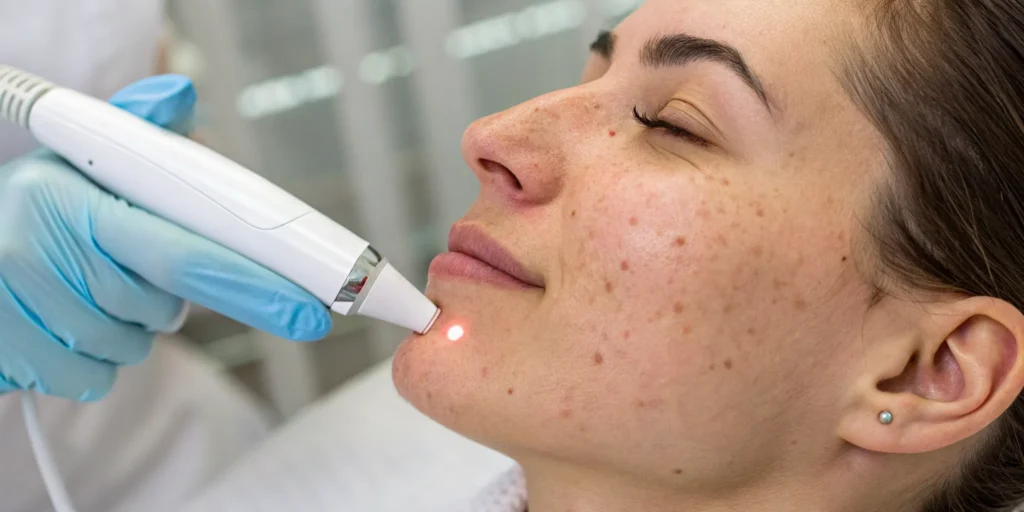
The idea of using a laser on your face might sound intense, but the science behind it is actually quite elegant. Instead of just treating the surface, an acne mark removal laser sends targeted light energy deep into the skin’s layers. This energy gently breaks down the pigment and damaged tissue that cause those lingering red spots and textural scars. More importantly, this process signals your body to ramp up its natural collagen production. Collagen is the protein that gives your skin its firmness and structure. By stimulating its growth, we’re helping your skin rebuild itself from the inside out, creating a smoother, more even surface that looks and feels refreshed and healthy.
Key Takeaways
- Lasers repair skin from the inside out: By sending focused light energy deep into the skin, lasers break down unwanted pigment and damaged tissue while signaling your body to create new collagen for a smoother, clearer surface.
- A custom plan is essential for success: There is no one-size-fits-all laser treatment; the best approach for you depends on your skin tone, scar type, and goals, which is why a thorough consultation with an expert is the most important first step.
- Protect your investment with proper aftercare: The success of your treatment heavily relies on your post-session routine, so following your provider’s instructions for sun protection and gentle skincare is crucial for healing and securing the best possible results.
How Do Lasers Treat Acne Marks?
If you’ve ever felt frustrated by the red spots or textured scars that stick around long after a breakout is gone, you’re not alone. While topicals can help, sometimes you need a more powerful solution to get the smooth, clear skin you want. This is where laser treatments come in. Using focused light, lasers work beneath the surface to repair damage and remodel your skin from the inside out. It’s a science-backed way to significantly reduce the appearance of acne marks and scars, helping you feel confident in your complexion again.
The science behind targeting acne marks
So, how does a beam of light actually fix a scar? It’s a pretty amazing process. Laser treatments send concentrated light energy into the deeper layers of your skin. This targeted energy works to gently break down the damaged tissue and pigmentation that make up the acne mark or scar. Think of it as a precise way to clear away the old, unwanted cells. This action triggers your body’s natural healing response, encouraging fresh, healthy skin to grow in its place. Different laser treatments can be used depending on your specific concern, whether it’s discoloration or texture.
Acne marks vs. scars: Knowing the difference
It’s helpful to know what you’re treating. The term “acne marks” often refers to post-inflammatory hyperpigmentation (PIH), which are the flat red, purple, or brown spots left behind after a pimple heals. True acne scars, on the other hand, involve a change in your skin’s texture. These form when a severe breakout damages the tissue deep within the skin, resulting in indented or raised areas. Lasers are effective for both, but the type of laser and treatment plan will depend on whether we are targeting color, texture, or a combination of both in your face and skin treatment plan.
The role of collagen in skin renewal
Here’s where the long-term magic happens. The laser’s energy doesn’t just remove damaged tissue; it also creates a gentle heat in the dermis, the skin’s lower layer. This controlled warmth acts as a signal to your body, telling it to ramp up production of collagen. Collagen is the essential protein that gives your skin its structure, firmness, and elasticity. As your skin produces new collagen over the weeks following treatment, it helps fill in indented scars and rebuilds the skin for a smoother, more even surface. This collagen remodeling is what creates lasting, natural-looking results, making treatments like Sylfirm X RF Microneedling so effective.
Common Laser Types for Acne Marks
When you hear “laser treatment,” you might picture a one-size-fits-all solution, but the world of aesthetic lasers is much more nuanced. Different lasers work in unique ways to target specific concerns, from redness and pigmentation to deep-set scars. Understanding the main types can help you feel more prepared when you chat with a provider about your goals. Let’s walk through the most common lasers used for treating acne marks so you can get a clearer picture of what might be right for you.
Ablative lasers
Ablative lasers are the heavy hitters of skin resurfacing. Think of them as a powerful reset button for your skin. Using technologies like CO2 or Erbium, these lasers work by carefully removing the outermost layer of your skin. This process gets rid of damaged surface cells and triggers a major healing response, leading to dramatic skin rejuvenation and collagen growth. Because this treatment is more intensive, you can expect some downtime. Most people experience redness and swelling for about a week, but the incredible results are often worth the wait for those with significant texture and scarring.
Non-ablative lasers
If you’re looking for an effective treatment with less downtime, non-ablative lasers are a fantastic option. Instead of removing the top layer of skin, these lasers, which include infrared technology, send gentle heat into the deeper layers. This heat stimulates your body’s natural collagen production and encourages new, healthy skin cells to grow from the inside out. The surface of your skin remains intact, which means a much quicker recovery. It’s a great choice for treating pigmentation and milder texture issues, helping you achieve smoother, more even-toned skin with a series of comfortable treatments like the BBL HEROic Laser.
Fractional lasers
Fractional lasers offer a brilliant middle ground between ablative and non-ablative treatments. Instead of treating the entire skin surface, a fractional laser creates thousands of microscopic treatment zones, targeting the tissue beneath the scar while leaving the surrounding skin untouched. This approach promotes rapid healing and stimulates collagen production right where you need it most. It’s particularly effective for atrophic scars, like “boxcar” and “icepick” scars, because it helps rebuild the skin’s support structure from within. This targeted method means you get significant results with less downtime than a fully ablative laser.
Picosecond lasers
Picosecond lasers are one of the newer and most exciting advancements in skin rejuvenation. These devices deliver ultra-short pulses of energy, measured in picoseconds (that’s a trillionth of a second), to the skin. This incredible speed creates a photo-acoustic effect that shatters unwanted pigment and stimulates collagen and elastin production without generating a lot of heat. This makes it a very safe and effective option for various acne scar types and skin tones. It’s a less invasive approach that can improve skin texture and tone with minimal recovery time, making it a popular choice for our face and skin treatments.
Is Laser Treatment Right for You?
Laser treatments can be a game-changer for acne marks, but they aren’t the right fit for everyone. Before you book an appointment, it’s important to understand if your skin is ready for this type of treatment. Your skin type, its current condition, and your overall goals all play a part in determining the best path forward. Let’s walk through what makes someone a great candidate for laser therapy.
Considering your skin type and tone
Lasers work with heat and light, which interact differently with varying levels of melanin in the skin. For those with lighter skin tones, many lasers can effectively target redness and pigmentation without much issue. If you have a darker skin tone, it doesn’t mean you’re out of options; it just means you need a more careful and specialized approach. Certain lasers carry a higher risk of causing hyperpigmentation (dark spots) or hypopigmentation (light spots) on melanin-rich skin. This is why working with an experienced provider who uses advanced technology, like our BBL HEROic Laser, is so important. They can select the right device and settings to keep your skin safe while delivering beautiful results.
Why active acne means you should wait
It might feel tempting to try and tackle everything at once, but treating acne marks while you still have active breakouts is like trying to mop the floor while the sink is overflowing. It’s best to get the source of the issue under control first. Applying a laser to inflamed, active acne can cause more irritation and potentially worsen the breakout. Plus, new pimples can lead to new marks, which undermines the progress you’re trying to make. A great provider will help you create a holistic plan. This often involves first clearing your active acne with treatments like medical-grade facials or a targeted skincare regimen before moving on to laser therapy for any lingering marks.
What to discuss with your provider
This is where everything comes together. A one-on-one consultation with a skilled provider is the most critical step in your entire laser journey. This is your chance to ask every question you have and for us to get to know your skin. Be ready to talk about your skin history, any past treatments you’ve tried, and what you hope to achieve. Your provider will assess your skin, discuss which laser options are best for your specific marks and skin type, and create a personalized treatment plan. Think of it as a partnership. We’ll map out the entire process together, from the number of sessions you might need to what you can expect during recovery, ensuring you feel confident and informed every step of the way.
Your Laser Treatment: What to Expect
Knowing what happens before, during, and after your laser session can make the entire experience feel more comfortable and straightforward. From the initial prep to the final results, having a clear picture of the process helps you feel confident in your treatment plan. Here’s a step-by-step look at what your laser treatment journey will involve.
Preparing for your appointment
Your journey begins with a personalized consultation. During this meeting, we’ll review your health history and talk through your goals to create a plan that’s right for you. It’s important to tell your provider if you’re prone to cold sores, as the laser can sometimes trigger them. To ensure the best results and a smooth recovery, you’ll need to stop taking any blood-thinning medications or supplements, like aspirin, ibuprofen, or vitamin E, about 10 days before your appointment. We also advise against smoking for two weeks before and after your treatment, as it can affect your body’s healing process. Our team at The Palm Medspa is here to answer all your questions and make sure you feel fully prepared.
Comfort and sensation during treatment
We prioritize your comfort every step of the way. Before the treatment begins, we’ll apply a numbing cream to the area to minimize any discomfort. As the laser works its magic, you might feel a sensation often described as a rubber band snapping against the skin. The feeling can vary depending on the type of laser used and your personal sensitivity, but it’s generally manageable. We also use cooling devices during the procedure to keep your skin comfortable. Our goal is to make your experience with our advanced laser treatments as pleasant as possible, allowing you to relax while we take care of your skin.
The healing and recovery timeline
After your treatment, your skin will need some dedicated care to heal beautifully. We’ll cover the treated area with a bandage and provide you with a special ointment to apply several times a day. This keeps the skin hydrated and prevents scabs from forming. It’s normal to experience some swelling for a day or two, followed by a bit of itching or stinging for a few days. Around day five to seven, you’ll notice the old, treated skin beginning to peel away, revealing the fresh, new skin underneath. The full healing process typically takes between 10 and 21 days, depending on the intensity of the treatment and the size of the area.
How many sessions will you need?
Laser treatment for acne marks is a process, not a one-time fix. To achieve the smooth, clear skin you’re looking for, most people need a series of treatments. While the exact number varies from person to person, it typically ranges from two to five sessions. The right number for you will depend on your skin’s unique needs, the type of acne marks being treated, and the specific laser technology we use. During your consultation, we’ll create a personalized treatment schedule designed to deliver the best possible results. You can explore our full range of face and skin services to see how we can help you reach your goals.
Understanding Potential Risks and Side Effects
Knowing what to expect after your laser treatment is key to a stress-free recovery. While laser therapy is a safe and effective way to treat acne marks, your skin will need some time to heal. Being aware of the potential side effects, from the very common to the very rare, helps you prepare for the process and care for your skin properly. It’s all about going into your appointment feeling informed and confident.
Common, temporary side effects
It’s completely normal to experience a few temporary side effects as your skin begins its renewal process. Most people notice some redness, swelling, and a bit of discomfort at the treatment site, similar to a mild sunburn. The discomfort usually fades within a couple of hours, but you can expect the redness to stick around for a few days. Swelling is also typical and generally subsides within a day or two. You might also feel some itching or stinging for the first few days. Think of these signs as confirmation that your skin is actively working to build new collagen and reveal a smoother surface. These are expected responses for advanced treatments like Sylfirm X RF Microneedling.
Potential complications to know
While serious complications are rare, it’s important to be aware of them. Potential risks include changes in skin pigmentation, where the treated skin becomes darker or lighter, and a small chance of infection or scarring. This is why the skill of your provider is so crucial. These issues are far less likely to occur when your treatment is performed by a qualified and experienced professional who understands the nuances of your skin. When you choose a provider, you’re not just paying for the treatment; you’re investing in the expertise and care of the team handling the laser. A thorough consultation and a trusted practitioner are your best defense against any unwanted outcomes.
Minimizing your risk
You play an active role in ensuring your treatment is safe and successful. The most important step is having an open and honest conversation with your provider during your consultation. Be ready to discuss your full medical history, any medications you’re taking, and your specific skin concerns. To reduce the risk of bleeding or bruising, you’ll likely be advised to stop taking blood-thinning medications and supplements, like aspirin or vitamin E, for about 10 days before your appointment. Following your provider’s pre- and post-care instructions to the letter is the best way to support your skin’s healing and achieve beautiful results from our laser treatments.
The Cost of Laser Treatment for Acne Marks
Let’s talk about one of the biggest questions on everyone’s mind: the price tag. Investing in your skin is a significant decision, and it’s smart to understand the costs involved before you commit. The price of laser treatments isn’t a simple, one-size-fits-all number. It varies quite a bit based on your unique skin needs and treatment plan.
Think of it less like buying a product off the shelf and more like commissioning a custom piece of art for your skin. Several elements come together to determine the final cost, from the technology used to the number of appointments required to achieve your goals. While it might seem like a lot to consider, breaking it down makes it much more manageable. The most important step is scheduling a consultation with a trusted provider who can give you a personalized quote and a clear picture of what to expect.
Factors that influence the cost
The final price of your laser treatment journey depends on a few key things. First is the type of laser being used. More intensive treatments, like ablative lasers that remove the outer layer of skin, generally cost more per session than non-ablative lasers, which work by heating the underlying tissue without harming the surface. The size of the treatment area and the severity of your acne marks also play a big role.
Another major factor is the number of sessions you’ll need. Most people require a series of treatments, typically between two and five, to see the best results. Finally, your provider’s experience and your geographic location will influence the price. National averages suggest a single session can range from about $1,100 to over $2,000, but a personal consultation is the only way to get an accurate quote.
Is it a worthwhile investment?
Deciding if laser treatment is worth it is a personal choice that goes beyond the financial cost. For many, the real value lies in the confidence that comes with smoother, clearer skin. While lasers may not make marks disappear completely, they can dramatically reduce their appearance and create a much more even skin tone. It’s an investment in feeling more comfortable and confident in your own skin every single day.
It’s also important to know that since laser treatment for acne marks is considered a cosmetic procedure, it’s usually not covered by insurance. However, seeing a significant improvement in your skin’s texture and appearance can be a priceless outcome. The best way to determine if it’s the right investment for you is to discuss your goals with a professional. We can walk you through all your treatment options and help you create a plan that aligns with your budget and your vision for your skin.
Aftercare: Protecting Your Results
Once your laser session is complete, your role in achieving clear, beautiful skin is just getting started. Think of aftercare as the essential follow-through that protects your investment and ensures you get the best possible outcome. Your provider will give you a detailed plan tailored to your skin and the specific laser used, and following their instructions is the most important thing you can do. Proper care helps your skin heal efficiently, minimizes the risk of complications, and solidifies the results you’re so excited to see. It’s all about creating the perfect environment for your skin to repair itself and reveal that smoother, more even-toned complexion you’ve been waiting for. By focusing on a few key steps in the days and weeks after your treatment, you can make sure your journey to clearer skin is a complete success.
Sun protection is non-negotiable
If there’s one rule to follow after a laser treatment, it’s this: protect your skin from the sun. Your skin will be especially sensitive and vulnerable to UV damage as it heals. Sun exposure can not only irritate the treated area but also lead to hyperpigmentation, which can undo the progress you’ve made. For the first six to eight weeks, you’ll want to be diligent about applying a broad-spectrum sunscreen with a high SPF every single day, even if it’s cloudy. It’s also a great idea to wear a wide-brimmed hat and seek shade when you’re outdoors. This simple step is critical for protecting the results of advanced laser therapies and ensuring your skin heals beautifully.
Your post-treatment skincare routine
During the healing phase, your skincare routine should be all about being gentle and supportive. Your provider will likely instruct you to clean the treated area a few times a day and apply a simple ointment, like petroleum jelly, to keep the skin hydrated and prevent scabs from forming. This is not the time for your usual active ingredients. You’ll need to press pause on exfoliants, retinoids, and any harsh scrubs until your provider gives you the all-clear. The goal is to coddle your skin and give it everything it needs to recover without any added stress. Once you’re fully healed, you can talk to your provider about a long-term plan to maintain your gorgeous results with our other face and skin services.
Combining lasers with other treatments
Laser treatments for acne marks are incredibly effective on their own, but sometimes they work even better as part of a comprehensive treatment plan. Depending on your specific goals, your provider might suggest pairing your laser sessions with other therapies to enhance your results. For instance, treatments like Sylfirm X RF Microneedling can be an amazing complement to laser therapy, as both work to stimulate collagen production and improve skin texture from different angles. This combination approach allows us to address marks, texture, and overall skin quality for a truly refreshed and revitalized appearance. We can build a personalized plan that layers treatments safely and effectively to help you achieve your ultimate skin goals.
Frequently Asked Questions
Will the laser treatment hurt? This is easily one of the most common questions we get, and it’s a great one to ask. We do everything we can to make the experience comfortable. Before we start, we apply a topical numbing cream to the treatment area. During the procedure, most people describe the sensation as a quick, warm snap, similar to a rubber band against the skin. We also use cooling technology throughout the session to keep your skin feeling comfortable.
How much downtime should I actually plan for? The amount of recovery time you’ll need really depends on the type of laser we use. For non-ablative treatments, which heat the skin from within, you might just have some redness for a day or so, making it easy to fit into a busy schedule. For more intensive ablative treatments that resurface the top layer of skin, you should plan for about a week of social downtime. Your skin will be red and will peel as it heals, revealing the fresh, new skin underneath.
I have a darker skin tone. Are laser treatments a safe option for me? Yes, laser treatments can be a safe and effective option for darker skin tones, but it requires a provider with specific expertise. The key is using the right technology and precise settings to target the acne marks without affecting the surrounding pigment. This is why a thorough consultation is so important. We can assess your skin and select a laser, like our BBL HEROic, that is designed to work safely on melanin-rich skin to deliver beautiful results.
How long until I see results, and will they be permanent? You’ll see some initial changes once your skin has finished peeling, which is usually within one to two weeks. However, the most significant results appear gradually over the next few months. This is because the laser stimulates new collagen growth, and it takes time for your skin to rebuild from the inside out. The improvements to the treated marks are long-lasting. The best way to maintain your results is to protect your skin from the sun and follow a good skincare routine to prevent new breakouts and marks from forming.
How do I know which of the different lasers is right for me? You don’t have to figure that out on your own, that’s what we’re here for. The best laser for you depends entirely on your unique skin and the type of marks you have, whether they are red and pigmented or indented and textured. During your consultation, we will carefully analyze your skin and discuss your goals. Based on that assessment, we will recommend the specific laser technology that will give you the safest and most effective results.