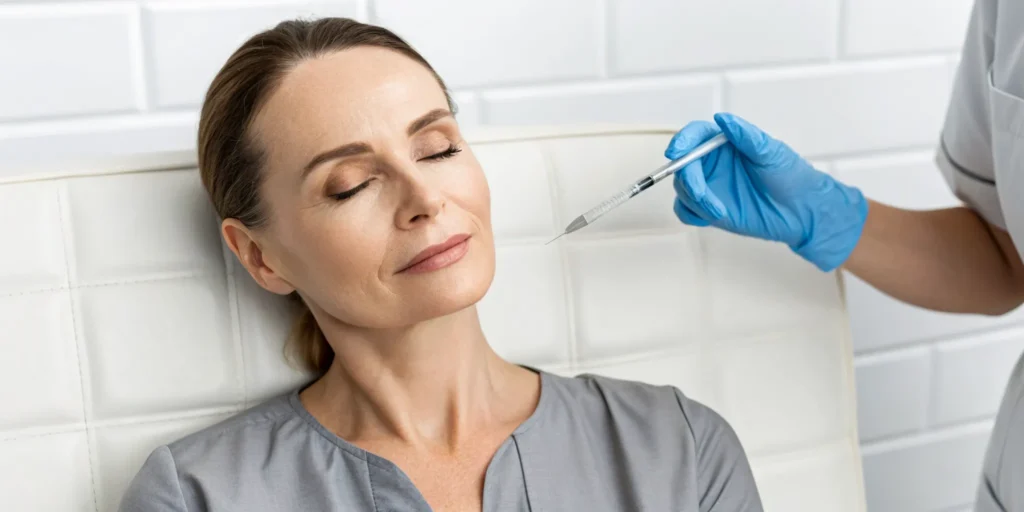
You might think of Botox as something for deep, set-in wrinkles, but the conversation is changing. Many people in their late 20s and early 30s are now using it as a preventative measure. Think of it like this: you wear sunscreen to prevent future sun damage, and you can use Botox to prevent expression lines from becoming permanent fixtures. By softening the muscle contractions early on, you can keep your skin smoother for longer. If you’re starting to notice faint lines and are curious about proactive treatments for botox forehead wrinkles, this guide is for you.
Key Takeaways
- Botox works on muscles, not skin: It smooths forehead wrinkles by relaxing the specific muscles that cause expression lines. This is different from fillers that add volume or creams that only treat the skin’s surface.
- Results require patience and consistency: You will notice a smoother look within a few days, but the final result takes about two weeks to fully appear. To maintain this refreshed appearance, plan on scheduling your next treatment every 3 to 4 months.
- A skilled injector is your most important asset: The key to a natural look and avoiding unwanted side effects is choosing an experienced provider. Your treatment and its cost are personalized, so a consultation is the best first step for a plan tailored to you.
Why Do I Have Forehead Wrinkles?
If you’ve ever looked in the mirror and wondered when those horizontal lines decided to move in, you’re not alone. Forehead wrinkles are one of the most common signs of aging, but they aren’t just about getting older. They’re the result of a combination of your daily habits and your skin’s natural evolution. Think of them as a roadmap of your expressions, from surprise to concentration. Understanding the two main factors at play, muscle movement and skin elasticity, is the first step toward figuring out how to smooth them out and restore a refreshed look.
The Link Between Facial Expressions and Wrinkles
Every time you raise your eyebrows in surprise, furrow them in thought, or make any other facial expression, the muscles in your forehead contract. This pulls the overlying skin, creating temporary lines. When you’re younger, your skin bounces right back. But over time, these repeated movements start to etch lines that stick around even when your face is at rest. These are often called “dynamic lines” because they’re caused by muscle movement. It’s a completely normal part of life, but it’s also the primary reason why treatments that relax these specific muscles, like Neurotoxin injectables, are so effective at softening their appearance.
How Skin Elasticity Changes with Age
The other piece of the puzzle is your skin’s structure. Your skin produces two key proteins, collagen and elastin, that keep it firm, plump, and resilient. As you age, your body naturally slows down its production of both. This means your skin loses some of its “snap-back” quality. So, when your forehead muscles create those dynamic lines, your skin has a harder time smoothing itself out afterward. This loss of elasticity is what allows temporary expression lines to become permanent fixtures. While we can’t stop the aging process, we can support our skin with treatments like Sylfirm X RF Microneedling that help stimulate new collagen production.
How Does Botox Smooth Forehead Wrinkles?
It might seem like magic, but the way Botox works is actually quite simple. It’s a highly targeted treatment that addresses the root cause of many forehead lines: muscle movement. By understanding how it interacts with your facial muscles, you can see why it’s such an effective and popular choice for achieving a smoother, more refreshed appearance. Let’s get into the specifics of how it works.
Targeting the Muscles Behind Your Wrinkles
Botox is a purified protein that works as a neuromodulator. When an experienced injector administers Botox, it temporarily blocks the nerve signals that tell specific facial muscles to contract. Think of it as pressing pause on the muscles that cause your forehead to furrow or raise. When these muscles relax, the overlying skin smooths out, softening the appearance of wrinkles. This process is precise and targeted, affecting only the small muscles responsible for those expression lines. The result is a naturally smoother forehead, not a frozen or unnatural look. It’s a subtle change that makes a big difference in how rested and refreshed you appear.
Dynamic vs. Static Wrinkles: What Botox Can Treat
It’s helpful to know that wrinkles fall into two main categories: dynamic and static. Dynamic wrinkles are the lines that appear when you make facial expressions, like when you raise your eyebrows in surprise or furrow them in concentration. Static wrinkles, on the other hand, are the lines that stick around even when your face is completely at rest. Botox is most effective on dynamic wrinkles because it targets the muscle contractions that cause them. By relaxing these muscles, it prevents the lines from forming in the first place. While it can soften the appearance of some static lines over time, other injectables or treatments may be better suited for deeper, set-in wrinkles.
Debunking Common Botox Myths
One of the biggest myths about Botox is that it will leave you with a “frozen” or expressionless face. This is simply not true when the treatment is done correctly. The goal of Botox isn’t to freeze your face; it’s to soften lines by relaxing the underlying muscles. You’ll still be able to show a full range of emotions, just without the deep creases. A skilled provider understands facial anatomy and uses a conservative approach to achieve a natural, refreshed look. Choosing a qualified and experienced injector is the key to getting beautiful results you’ll love. Our team at The Palm is dedicated to creating personalized treatment plans that help you look like the best version of yourself.
Your Botox Appointment: A Step-by-Step Guide
Walking into your first Botox appointment can feel like a big step, but knowing exactly what to expect makes the entire process feel simple and straightforward. From the initial chat with your provider to the moment you walk out the door, the focus is on your comfort and your goals. We believe in making your experience feel as refreshing as your results, so let’s walk through the process together.
How to Prepare for Your Treatment
Your appointment will start with a conversation. This is your time to share what you’re hoping to achieve. Your provider will review your medical history and ask you to make a few facial expressions, like raising your eyebrows or frowning. This helps them understand your unique facial movements and muscle structure. By observing and sometimes gently feeling the muscles, they can map out a precise, personalized treatment plan just for you. This initial consultation ensures your Neurotoxin treatment is tailored to give you the natural-looking, smooth results you want.
What to Expect During the Injections
Once your treatment plan is set, the injection process itself is surprisingly quick, usually taking only 10 to 15 minutes. Many people call it a “lunchtime procedure” because you can easily fit it into your day. Your provider will use a very fine needle to administer the Botox into the targeted muscles. Most people describe the feeling as a tiny pinch that lasts only a moment. If you’re concerned about discomfort, we can apply a topical numbing cream or ice to the area beforehand. Our goal is to make your experience with injectables as comfortable as possible.
After Your Appointment: Immediate Aftercare
After your injections, a few simple rules will help you get the best possible results. For the first four hours, it’s important to stay upright, so avoid lying down or taking a nap. You’ll also want to skip any strenuous exercise and avoid rubbing or massaging the treated area for at least 24 hours. Following this guidance helps the Botox settle into the correct muscles without migrating to other areas. These small steps are key to ensuring your treatment works exactly as intended, setting you up for a beautifully smooth outcome.
Botox Results: How Long Do They Last?
One of the biggest questions people have about Botox is how long the smooth, refreshed look will last. It’s helpful to think of neurotoxin treatments not as a permanent fix, but as part of your ongoing skincare routine, just like a great facial or your favorite serum. While the exact timeline can vary from person to person based on factors like your metabolism and muscle strength, the results are fairly predictable.
Understanding the timeline helps you plan your appointments and maintain that effortlessly smooth forehead. From the moment you see the first changes to scheduling your next visit, having a clear picture of the process ensures you get the most out of your treatment. Let’s walk through what you can expect after your appointment.
When Will You See a Difference?
Patience is key when it comes to Botox. You won’t see a change the second you leave our spa, but you also won’t have to wait long. Most people start to notice the treatment taking effect within 3 to 5 days. During this time, the neurotoxin is working to relax the underlying muscles that cause wrinkles when you make expressions.
The full, final result typically settles in at about the two-week mark. This is when you’ll see the maximum smoothing effect on your forehead lines. So, if you have a big event coming up, I always recommend scheduling your Botox appointment at least two weeks in advance to ensure you’re looking and feeling your best.
How Often Should You Schedule Treatments?
To keep your forehead smooth, you’ll need to plan for regular maintenance appointments. Botox results generally last between 3 to 6 months. We usually recommend scheduling your next treatment every 3 to 4 months. This timing is strategic because it catches the muscles just as they start to regain movement, but before the wrinkles have a chance to fully return.
Sticking to a consistent schedule helps maintain your results seamlessly. Over time, regular treatments can even help “train” your muscles to relax, potentially extending the time you can go between appointments. Our team at The Palm will work with you to create a personalized treatment plan that fits your goals and keeps your skin looking consistently refreshed.
Is Preventative Botox a Good Idea?
You may have heard people in their late 20s or early 30s talking about “preventative Botox,” and it’s a valid approach. The idea is to use injectables to soften expression lines before they have a chance to become deep, static wrinkles that are visible even when your face is at rest. By relaxing the muscles early on, you can prevent those lines from etching into your skin over time.
Think of it like this: you wear sunscreen to prevent sun damage, and you can use Botox to prevent deep-set wrinkles. There’s no magic age to start; it’s more about when you begin noticing lines that stick around after you’ve stopped smiling or raising your eyebrows. It’s a proactive step toward keeping your skin smoother for longer.
Breaking Down the Cost of Forehead Botox
Let’s talk about one of the most common questions we hear: “How much does forehead Botox cost?” While it would be simple to give a single number, the truth is that the price is tailored to you. Think of it less like buying a product off the shelf and more like investing in a personalized service. The final cost depends on your unique facial anatomy, the results you’re looking for, and the number of units needed to achieve them. Understanding how pricing works will help you feel confident and prepared for your treatment.
At The Palm, we believe in full transparency, so let’s break down exactly what goes into the cost of your neurotoxin treatment. The price isn’t arbitrary; it reflects the quality of the product, the skill of your injector, and a treatment plan designed specifically for your goals. We’ll cover how we calculate the price and the different factors that can influence your total investment, ensuring there are no surprises along the way. This approach allows us to create a plan that’s just right for you, focusing on natural-looking results that help you feel refreshed and confident. A consultation is the best first step, as it allows us to assess your needs and give you a precise quote before moving forward with any treatment.
Cost Per Unit vs. Total Treatment Price
Most medical spas, including ours, price Botox per unit. A “unit” is simply a measure of the medication’s strength. For forehead wrinkles, the cost per unit typically falls between $10 and $15. The total number of units you’ll need depends on the strength of your forehead muscles and the depth of your wrinkles. Some people may only need 20 units, while others might require up to 40 for the best results. This means a single forehead treatment can range from $200 to $600. During your consultation, your provider will determine the exact dosage to give you a smooth, natural finish without looking “frozen.”
Factors That Affect the Final Cost
Beyond the number of units, a few other things can influence the total price of your treatment. The injector’s expertise is a big one. Choosing a provider with extensive experience and training is an investment in your safety and results. Your geographic location also plays a role, as costs can vary from one city to another. Finally, the scope of your treatment matters. If you decide to treat other areas, like the frown lines between your brows, in addition to your forehead, your total cost will be higher because more units are needed. This is why a personalized consultation is so important for getting an accurate quote.
Understanding the Risks and Side Effects
It’s completely normal to have questions about the safety of any cosmetic treatment, and Botox is no exception. Getting familiar with the potential risks and side effects is a smart step that helps you make an informed decision and feel confident about your treatment. The great news is that when administered by a qualified professional, Botox has a long-standing safety record. Most side effects are minor and temporary, and serious complications are rare. Knowing what to expect helps you prepare and ensures you have the best possible experience with your injectables. Let’s walk through what you should be aware of, from the most common reactions to the importance of choosing the right person for the job.
Common and Temporary Side Effects
After your appointment, it’s possible to experience a few minor side effects, but they typically don’t last long. The most common reactions include slight bruising, redness, or swelling at the injection sites, which is just your skin’s normal response. Some people also report a mild headache within the first 24 hours. In some cases, a temporary heaviness in the eyelids or a slight eyelid droop can occur. While this can be unsettling, it’s important to know that this is rare and resolves on its own as the neurotoxin naturally wears off. These effects are generally mild and fade within a few days, letting you get back to your routine without much downtime.
Rare Complications to Be Aware Of
While uncommon, other side effects can happen, and they almost always come down to the injector’s technique. If the Botox is placed incorrectly, it can cause the brow to feel heavy or look droopy, a condition known as brow ptosis. Another potential issue is an overarched or “Spock-like” eyebrow, which happens when some forehead muscles are relaxed but others overcompensate. These outcomes are not the norm and are directly related to the injector’s understanding of facial anatomy. An experienced provider knows precisely which muscles to target to create a smooth, natural-looking result while avoiding these unwanted effects. This is why the skill of your injector is so important.
How to Minimize Risks by Choosing the Right Provider
The single most effective way to ensure a safe and beautiful result is to choose your provider carefully. This isn’t the time to bargain hunt; it’s a time to prioritize expertise. Look for a licensed medical professional, like a nurse practitioner or physician, who specializes in aesthetic injections and has a deep understanding of facial anatomy. Don’t be shy about asking to see before-and-after photos of their work. A great provider will offer a thorough consultation, listen to your goals, and explain what you can realistically expect. At The Palm Medspa, our team is dedicated to providing personalized care that helps you feel refreshed and confident in your results.
How Botox Compares to Other Treatments
Botox is a household name for a reason, but it’s not the only path to smoother skin. Think of it as one amazing tool in a much larger toolkit. Different treatments are designed to address different concerns, from the texture of your skin to wrinkles that stick around even when your face is relaxed. Understanding these differences is the key to building a treatment plan that truly works for you. Let’s walk through how Neurotoxin injections like Botox stack up against other popular options, so you can feel confident about the choices you make for your skin.
Botox vs. Dermal Fillers
People often group Botox and fillers together, but they work in completely different ways. Botox is best for “dynamic wrinkles,” which are the lines created by muscle movement, like when you raise your eyebrows or squint. It works by relaxing those specific muscles. On the other hand, dermal fillers are designed to treat “static wrinkles,” the lines that are visible even when your face is at rest. Fillers restore lost volume, essentially plumping up the area to smooth out the crease. So, if you’re bothered by forehead lines when you frown, Botox is the answer. If you have deeper lines that have settled in over time, fillers might be the better fit.
Botox vs. RF Microneedling
If your main goal is to improve overall skin texture and firmness, RF microneedling is a fantastic option. A treatment like Sylfirm X RF Microneedling uses tiny needles to create micro-injuries in the skin, while radiofrequency energy gently heats the deeper layers. This process stimulates your body’s natural collagen and elastin production, leading to smoother, firmer skin over time. While microneedling is excellent for fine static lines and skin quality, Botox is the expert at stopping the muscle contractions that cause dynamic wrinkles in the first place. They address two totally different layers: microneedling for the skin, and Botox for the muscle underneath.
Botox vs. Topical Creams
Your at-home skincare routine is incredibly important, but even the most expensive creams have their limits. Products with ingredients like retinoids and peptides can definitely improve skin texture and soften fine lines, but they work on the surface of the skin and require months of consistent use to see noticeable changes. They’re a great long-term strategy for skin health. Botox, in contrast, provides a more immediate and targeted result by directly relaxing the muscle causing the wrinkle. You’ll see a visible smoothing effect within days, something a topical cream simply can’t achieve. Think of creams as daily maintenance and Botox as a powerful treatment.
Combining Botox with Other Services
The best part is that you don’t have to choose just one. In fact, combining treatments often delivers the most beautiful and natural-looking results. For example, you could use Botox to smooth the dynamic wrinkles on your forehead and a touch of filler to soften deeper smile lines around your mouth. Or, you could pair Botox with a series of Medical Grade Facials or laser treatments to improve your skin’s texture and tone at the same time. A comprehensive approach allows us to create a personalized plan that addresses all of your concerns, giving you a refreshed look that’s uniquely you.
Is Botox for Forehead Wrinkles Right for You?
So, how do you know if Botox is the right move for your forehead lines? It’s a great question, and the answer is pretty straightforward for most people. If you’re a healthy adult bothered by the lines that appear when you raise your eyebrows or furrow your brow, you’re likely a great candidate. These are called “dynamic wrinkles,” and they’re exactly what neurotoxins like Botox are designed to treat. It works by relaxing the specific muscles that cause these lines, giving the overlying skin a chance to smooth out.
A common worry is looking “frozen” or unnatural. When administered by a skilled injector, Botox softens wrinkles while still allowing you to show expression. The goal is to look refreshed and rested, not expressionless. It’s also not just for women; Botox is becoming a go-to for men who want to refine their appearance without surgery. It’s important to have realistic expectations about the results. The effects typically last about three to four months. If you’re very expressive or exercise frequently, you might find it wears off a little closer to the three-month mark. This isn’t a permanent fix, but rather a regular treatment that helps you maintain a smoother look. The best way to know for sure is to chat with a professional who can assess your unique goals.
Frequently Asked Questions
What happens if I decide to stop getting Botox? Will my wrinkles look worse than before? This is a very common concern, but you can relax. If you stop getting Botox, your wrinkles will not come back worse than they were before. Your muscles will simply regain their normal range of motion over a few months, and the lines will gradually return to how they looked before you started treatment. Think of it as pressing pause; when you press play again, things just go back to the way they were.
Is there a “right” age to start getting Botox for my forehead? There really is no magic number. The best time to consider Botox is less about your age and more about your skin and your goals. Some people in their late twenties start with preventative treatments to stop lines from forming, while others wait until their forties when lines become more noticeable. The right time is when you start seeing lines that bother you and you want to do something about them.
Will the injections be painful? Most people are pleasantly surprised by how quick and easy the process is. We use a very fine needle, and the sensation is often described as a tiny, quick pinch that lasts only for a moment. For most, it’s very tolerable. If you are worried about discomfort, we can always apply ice or a topical numbing cream to the area beforehand to make your experience as comfortable as possible.
How can I be sure I’ll get natural-looking results and not a “frozen” forehead? Achieving a natural result comes down to one thing: your injector. A skilled provider’s goal is to soften lines, not erase your ability to make expressions. They will use a conservative approach to relax the specific muscles causing wrinkles while leaving you with plenty of natural movement. You will still look like you, just a more rested and refreshed version.
Can I combine Botox with other treatments like facials or lasers? Absolutely. Combining treatments is often the best way to get comprehensive results. However, the timing is important. For example, you can often get a gentle treatment like a medical grade facial on the same day as your Botox. For more intensive treatments like lasers or RF microneedling, we usually recommend waiting about two weeks. During your consultation, we can help you create a personalized treatment schedule that safely and effectively addresses all your goals.