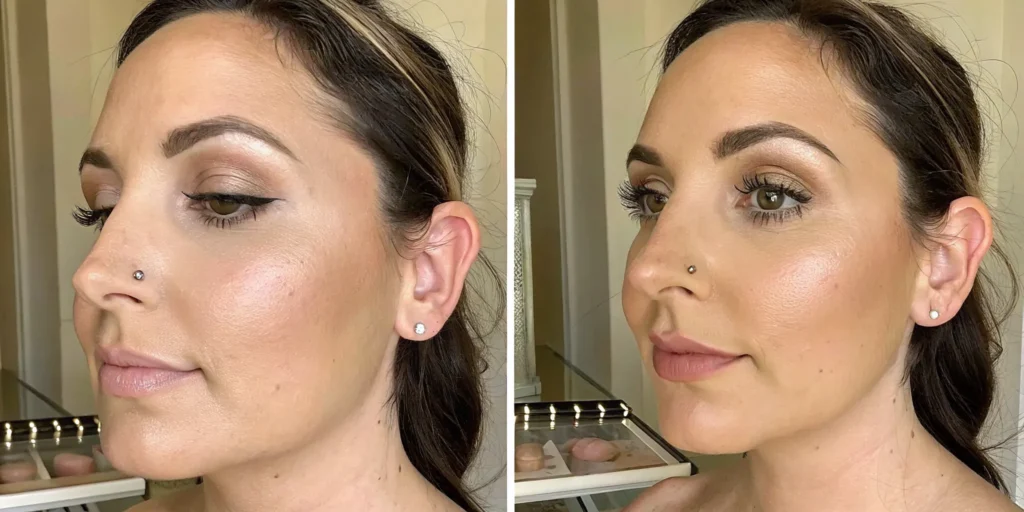
You’ve probably seen it: a single, sparkling gem sitting perfectly flat against someone’s cheekbone, almost like it grew there. This unique look is a face dermal piercing, a style that places jewelry on flat surfaces where traditional piercings simply can’t go. Unlike an earring with an entry and exit point, a dermal uses a small anchor placed just under the skin to hold the jewelry in place. This technique creates a striking, minimalist effect that can beautifully highlight your features. If you’re curious about how it works, what it feels like, and what it takes to care for one, you’re in the right place.
Key Takeaways
- Set realistic expectations for longevity: Because they anchor under the skin without an exit point, dermal piercings are more likely to be rejected by your body over time. It’s best to view them as a long-term temporary accessory that may last several months to a few years, not a permanent addition.
- Your success is a two-part job: A healthy piercing starts with a skilled professional who uses high-quality, biocompatible jewelry. After that, it’s your responsibility to commit to a consistent aftercare routine with daily cleaning to prevent infection and help it heal properly.
- Know the risks and your alternatives: Dermal piercings require careful healing and professional removal, with a risk of scarring and infection. If you love the look but are hesitant about the commitment, you can get a similar highlighted effect with aesthetic treatments like facial fillers.
What Is a Face Dermal Piercing?
If you’ve seen someone with a single, sparkling gem sitting flat against their skin, you’ve likely seen a dermal piercing. Also known as a microdermal or single-point piercing, this look is achieved by placing a small anchor base just beneath the skin’s surface. A decorative, interchangeable top then sits flush against your skin, creating a unique and eye-catching effect. Unlike other piercings, this method allows for jewelry placement on flat areas of the body, including several spots on the face.
Dermal vs. Traditional Piercings: What’s the Difference?
The main distinction lies in the entry and exit points. Think about a standard earlobe piercing: the earring goes in one side and out the other. A dermal piercing is different because it only has one point of entry. A piercer creates a small space under your skin to insert an anchor, which holds the jewelry in place from below.
Because there’s no exit point, dermals are considered a type of surface piercing. This technique is what allows them to be placed on surfaces like your cheekbone or collarbone, where a traditional through-and-through piercing wouldn’t be possible. It’s a versatile way to wear jewelry in places that were previously off-limits.
Popular Placements for Face Dermals
While dermal piercings can be placed on many parts of the body, they’ve become a popular way to adorn the face. Some of the most common spots include high on the cheekbones, right below the eye (sometimes called an anti-eyebrow piercing), or in the center of the forehead. You might also see them placed to create or accentuate dimples.
The beauty of a dermal is its ability to highlight your natural features. For instance, a dermal placed on the cheekbone can draw attention to your facial structure in a way that’s similar to how strategically placed Facial Fillers can enhance your contours. When choosing a spot, it’s important to consider areas with less movement to prevent snagging and irritation.
Choosing the Right Jewelry Material
The material of your initial dermal jewelry is crucial for a smooth healing process. Your body is more likely to accept materials that are biocompatible, meaning they are not harmful to living tissue. Implant-grade titanium is the industry standard and for good reason: it’s lightweight, nickel-free, and rarely causes allergic reactions. Niobium is another excellent and safe option.
You’ll want to steer clear of jewelry containing nickel, as it’s a common allergen that can lead to redness, itching, and even piercing rejection. While materials like surgical steel can be safe, they sometimes contain trace amounts of nickel. A professional piercer will always use sterilized, high-quality jewelry to give your new piercing the best possible start for healthy Face + Skin.
What Happens During a Dermal Piercing?
If you’re considering a dermal piercing, you’re probably curious about what actually happens during the appointment. Knowing what to expect can make the entire experience feel much more comfortable. The good news is that the procedure is surprisingly quick, especially when you’re in the hands of a skilled professional. It’s a precise process that involves placing a small anchor underneath the surface of your skin, which holds your chosen jewelry in place. Let’s walk through exactly what happens, from the tools and jewelry used to what you can expect in terms of pain.
The Procedure, Step by Step
Getting a dermal piercing is a multi-step process that a professional piercer can complete in just a few minutes. First, your piercer will thoroughly clean the area and mark the exact spot for your new piercing. Once you’ve confirmed the placement, they will use either a needle or a dermal punch to create a small pocket beneath the skin’s surface. Next, they will use forceps to insert the base, or anchor, of the jewelry into that pocket. The anchor sits completely under the skin. Finally, they will screw the visible jewelry top onto the anchor’s post. And that’s it, the whole process is finished, and you’re ready for aftercare.
Tools and Jewelry Used
The unique look of a dermal piercing comes from its two-part jewelry system. The first part is the anchor, a small metal plate with a post that is inserted under your skin. The second part is the decorative top that screws into that post and sits flat against your skin’s surface. Most jewelry options are small, flat discs or studs, which are less likely to get caught on clothing or hair. The material of your jewelry is also important for a smooth healing process. Look for high-quality, body-safe metals like implant-grade titanium, gold, or stainless steel to minimize the risk of irritation or an allergic reaction.
Pain Management Options
It’s the question on everyone’s mind: how much does it hurt? You will likely feel a sharp pinch and some pressure, but since the procedure is so quick, the discomfort is usually brief. Your personal pain tolerance plays a big role, as does the skill of your piercer. An experienced professional can perform the piercing swiftly and smoothly, which can make a significant difference in your comfort level. If you are concerned about pain, you can talk to your piercer about using a topical numbing cream before the procedure. Applying it about 30 to 60 minutes beforehand can help dull the sensation in the area.
The Bottom Line: Dermal Piercing Pain and Cost
Before you commit to a new dermal piercing, it’s smart to understand the full picture, including the pain and the price tag. Knowing what to expect financially and physically helps you make a confident and informed decision. The total investment involves the initial procedure, the jewelry, and the essential aftercare products you’ll need to ensure a smooth healing process. Let’s break down what you can anticipate when it comes to the discomfort and cost of a face dermal piercing.
How Much Does a Dermal Piercing Hurt?
Let’s be real: getting a piece of jewelry inserted under your skin will involve some discomfort. The good news is that the process is very quick. Most people describe it as a brief, sharp pinch that’s over in seconds. How much it hurts really comes down to the piercer’s skill and your own pain tolerance. A seasoned professional can make the experience much smoother. If you’re worried about the sensation, you can ask your piercer about using a topical numbing cream beforehand to help take the edge off and make the process more comfortable.
Breaking Down the Cost
So, what’s the investment for a face dermal? Typically, you can expect the piercing to cost between $50 and $100. However, this price can vary quite a bit based on a few key factors. The piercer’s experience level, the studio’s location, and the type of jewelry you select all play a role in the final price. While it might be tempting to find the cheapest option, remember that this is your face. Paying a little more for a highly-rated, experienced piercer in a sterile environment is always the right move for your safety and the success of the piercing.
Budgeting for Aftercare and Other Costs
The price of the piercing itself isn’t the only expense to consider. Proper aftercare is essential for healing, so you’ll need to budget for supplies. Your main purchase will be a sterile saline solution to clean the piercing twice daily. You’ll also use a gentle, mild soap for one of those cleanings. Think of these aftercare products as a necessary part of the total cost. Skimping on aftercare can lead to complications like infection or rejection, which can end up costing you more in the long run, both financially and physically. It’s a small price to pay to ensure your new piercing heals beautifully.
How Long Do Face Dermal Piercings Last?
When you get a face dermal, it’s helpful to think of it as a “long-term temporary” accessory. Unlike traditional piercings that can last a lifetime, dermals have a shorter, more unpredictable lifespan. Most people find their dermal piercings last anywhere from six months to a few years. How long yours stays put depends on several things, like its placement, how your body heals, and if your body decides to reject the jewelry. Understanding these factors can help you enjoy your piercing for as long as possible.
Factors That Influence Longevity
The single biggest factor in your dermal’s lifespan is its placement. Since the anchor isn’t secured all the way through the skin, areas that move a lot or get bumped often are more likely to cause rejection. Think about spots on your face that are relatively flat and don’t get snagged by your hair, glasses, or clothing. Popular spots like the cheekbones or near the temples tend to do well because the skin is stable. Your piercer will help you find the perfect spot, but it’s something to keep in mind as you plan your new look. Diligent aftercare also plays a huge role in preventing irritation that can lead to early rejection.
Warning Signs: Is Your Dermal Rejecting?
Sometimes, your body can see the piercing’s anchor as a foreign object and try to push it out. This process is called rejection, and it’s the most common reason dermal piercings don’t last. Keep an eye out for a few key signs. You might notice the jewelry has shifted from its original position or the top seems to be tilting or hanging loosely. The skin around the piercing might also look red, thin, or feel hard and calloused. In some cases, you may even start to see the anchor through your skin. If you notice any of these changes, it’s a good idea to check in with your piercer.
What to Expect During Removal
When it’s time to say goodbye to your dermal, whether it’s rejecting or you’re just ready for a change, please don’t try to remove it yourself. Since the anchor is embedded in your skin, a professional piercer or a doctor needs to handle the removal to avoid injury and excessive scarring. The process is usually quick. Your piercer will clean the area, unscrew the top, and gently massage the skin to loosen the anchor. They may need to make a tiny incision with a scalpel to free it completely. Afterward, you’ll just need a small bandage. You can expect a small scar, but proper care can help it fade over time.
Dermal Piercing Healing and Aftercare
Getting your new dermal is exciting, but the work isn’t over once you leave the studio. Proper aftercare is the single most important factor in making sure your piercing heals beautifully and lasts for years. Think of this healing period as a partnership between you and your body. Your job is to create a clean, low-stress environment so your body can do its thing. It requires patience and consistency, but a little dedication now prevents major headaches later. Following a solid routine helps you avoid complications like infection or rejection, ensuring your new facial accessory looks exactly how you envisioned.
Your Healing Timeline
Patience is key when it comes to healing a dermal piercing. You can expect the initial healing process to take anywhere from one to three months. During the first couple of weeks, it’s completely normal to see some redness, mild swelling, and a bit of crust forming around the anchor. This is just your body’s natural response and a sign that the healing has begun. As long as the symptoms are mild and gradually improve, you’re on the right track. If you notice excessive pain, green or yellow pus, or a foul odor, it’s time to check in with your piercer or a healthcare professional.
Your Daily Aftercare Checklist
Keeping your piercing clean is your top priority. A simple, consistent routine is all you need to support the healing process.
- Wash your hands first. Always wash your hands thoroughly with antibacterial soap before you touch your piercing.
- Clean twice a day. Gently clean the area twice daily. Use a sterile saline solution for one cleaning, and a mild, fragrance-free soap with water for the other.
- Pat, don’t rub. After cleaning, gently pat the area dry with a clean paper towel or sterile gauze. Terrycloth towels can snag the jewelry and leave behind fibers, so it’s best to avoid them.
Healing Don’ts: What to Avoid
Knowing what not to do is just as important as your cleaning routine. You want to protect the piercing from anything that could irritate it, introduce bacteria, or cause it to shift.
- Avoid friction. Steer clear of tight clothing, scarves, or anything else that might rub against or snag your piercing. This constant pressure can lead to irritation and migration.
- Keep it dry. Don’t submerge your new piercing in baths, pools, hot tubs, or natural bodies of water, as these can harbor bacteria. Quick showers are fine.
- Hands off. Resist the urge to touch, twist, or play with the jewelry. Also, don’t pick at any crust that forms; let it fall off naturally during cleaning.
- Skip harsh chemicals. Avoid using alcohol, hydrogen peroxide, or strong antibacterial soaps on the piercing, as they can be too harsh and delay healing.
What Are the Risks of Dermal Piercings?
Dermal piercings can be a beautiful way to express yourself, but it’s important to go into it with your eyes wide open. Like any procedure that breaks the skin, they come with a few risks. Knowing what to look out for helps you make an informed decision and take the best possible care of your new piercing. Understanding these potential issues isn’t meant to scare you, but to prepare you, ensuring you have a safe and positive experience from start to finish.
Infection
Any time you create an opening in the skin, there’s a risk of infection. This can happen if the piercing environment isn’t sterile or if aftercare isn’t followed carefully. Signs of an infection can include significant pain or swelling, skin that feels hot to the touch, or a yellow or green discharge. A professional piercer will use sterilized equipment, but your aftercare routine is just as crucial. Keeping the area clean and dry is your best defense against unwanted bacteria. If you suspect an infection is developing, it’s essential to see a healthcare professional right away.
Rejection and Migration
Sometimes, your body can view the dermal anchor as a foreign object and try to push it out. This is known as rejection, and it’s more common with dermal piercings than traditional ones. You might notice the jewelry slowly moving closer to the surface of your skin or the piercing becoming irritated and shallow. This process, called migration, is often a sign that rejection is underway. Unfortunately, there isn’t much you can do to stop it once it starts. The best prevention is a skilled piercer who can place the anchor at the correct depth.
Scarring and Skin Irritation
Whether your dermal piercing is rejected by your body or you decide to have it professionally removed, a small scar is inevitable. The size and visibility of the scar depend on how well the area heals and whether there were any complications. If a piercing is forcibly torn out or improperly removed, the scarring can be more significant. You may also experience hypergranulation, which is when a red, fluid-filled bump forms around the piercing site. While this isn’t necessarily dangerous, it can be uncomfortable and affect the look of your piercing.
Dermal Piercing Myths vs. Facts
One of the biggest misconceptions about dermal piercings is that they are a permanent or very long-term accessory. Many people hope they’ll last for years, but the reality is often different. Because of the high potential for rejection, some piercers refer to them as “long-term temporary” piercings. While some individuals may keep their dermals for a long time, many find they reject within a year or two. It’s best to view them as a temporary form of expression rather than a permanent addition, which helps set realistic expectations for your piercing journey.
Is a Dermal Piercing Right for You?
Deciding to get a dermal piercing is a big step. It’s more involved than a standard earlobe piercing, and it requires a real commitment to aftercare. Before you book that appointment, it’s smart to think about your lifestyle, your skin, and what you’re hoping to achieve with the look. Let’s walk through a few key considerations to help you figure out if a dermal piercing is the right choice for you.
Who Is a Good Candidate?
A good candidate for a dermal piercing is someone who is prepared for the healing process and understands the unique nature of this body modification. Unlike traditional piercings that have an entry and exit point, a dermal piercing anchors a piece of jewelry directly under the skin’s surface. This means your body’s ability to heal is a major factor. If you have a history of keloids or your skin is prone to irritation, you might want to proceed with caution. Your lifestyle also plays a role. If you’re very active in contact sports or your job involves a lot of friction against the potential piercing site, it could complicate healing. Ultimately, the best candidates are patient, diligent with aftercare, and have realistic expectations.
How Placement Affects Healing
Where you place your dermal piercing matters, a lot. While you can technically get one almost anywhere on a flat surface of skin, some spots are better than others for successful healing. Think about areas that don’t move or stretch too much and aren’t constantly getting bumped or rubbed by clothing. Popular facial spots like the high cheekbone or near the temple can look stunning, but you have to consider things like sleeping habits and how you wash your face. A piercing on the back of the neck, for example, can easily get snagged by hair or shirt collars. A professional piercer can give you solid advice on placement, helping you choose a spot that not only looks great but also has the best chance of healing well and lasting for years.
When to Consult a Professional First
I can’t stress this enough: your piercer is your most important partner in this process. Finding a reputable, experienced professional is non-negotiable. Before you let anyone near your face with a needle, do your research. Look for a piercer who has a strong portfolio of healed dermal piercings, not just fresh ones. Ask them about their sterilization procedures, the quality of jewelry they use, and what their protocol is if a complication arises. A great piercer will be happy to answer all your questions during a consultation. They should make you feel comfortable and confident, not pressured. The Association of Professional Piercers is a great resource for finding qualified members in your area.
Love the Look, Not the Piercing? Facial Aesthetic Alternatives
Maybe you love the way a dermal stud catches the light on a cheekbone but feel hesitant about the procedure, aftercare, or potential for scarring. You can still get that eye-catching effect without the piercing. At The Palm, we focus on enhancing your natural features to help you feel refreshed and confident. Instead of a piercing, you could define and lift your cheekbones with Facial Fillers. This treatment adds volume exactly where you want it, creating a beautiful contour that highlights your facial structure. Another option is to focus on your skin’s overall radiance. Treatments like our BBL HEROic Laser can give you a luminous complexion that naturally glows, achieving a similar bright, focal effect in a completely different way.
Related Articles
- Dermal Filler Care Guide | The Palm Medspa Orlando
- What Are Dermal Fillers? – The Palm Medspa & Wellness
- What Is Microneedling? A Guide to Skin Renewal – The Palm Medspa & Wellness
- Sylfirm RF Microneedling Care Guide | The Palm Medspa Orlando
- PDO Threads Care Guide | Recovery & Treatment
Frequently Asked Questions
Can I change the jewelry top on my dermal piercing? Yes, you can, but only after the piercing is completely healed, which can take a few months. The tops are designed to be interchangeable. For your first time, I highly recommend visiting your piercer. They can swap the top for you safely and show you the proper technique. Trying to do it yourself too early or too forcefully can irritate the anchor and disrupt the healing process.
What should I do if my piercing gets snagged on something? First, don’t panic. Gently untangle whatever caught on it, like your hair or a towel. Then, take a look at the piercing. If it’s just a little red but still sitting flat, clean it with your saline solution and keep a close eye on it for a day or two. If it’s bleeding, looks tilted, or feels painful and loose, it’s best to visit your piercer so they can assess the anchor and make sure it’s still secure.
How bad will the scar be when I take it out? You can expect a small scar, but its appearance depends on a few things. If the piercing is removed properly by a professional and you care for the site afterward, you’ll likely have a tiny, flat mark similar to a chickenpox scar. If the piercing was rejected or torn out, the scar might be more noticeable. Most people find the scar is very subtle and fades significantly over time.
Is it a bad idea to get a dermal piercing if I have sensitive skin? Not necessarily, but you do need to be extra careful. If you have sensitive skin or are prone to conditions like eczema, it’s crucial to discuss this with your piercer beforehand. You must use high-quality, biocompatible jewelry, like implant-grade titanium, to minimize the risk of a reaction. Your healing might take a bit longer, and you’ll need to be extremely diligent with your aftercare routine.
Why can’t I just pull the piercing out myself if it starts rejecting? Please don’t try to remove it yourself. The anchor is embedded underneath your skin, and you can’t just pull it out without tearing the surrounding tissue. This can cause significant pain, lead to a much worse scar, and create an open wound that is vulnerable to infection. A professional piercer has the proper tools and knowledge to release the anchor with minimal damage to your skin.